
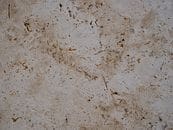
Why Travertine Floors Lose Their Shine in Scottsdale Homes
If your travertine floors look dull, cloudy, or worn down, you’re not imagining it. Travertine polishing in Scottsdale AZ is one of the most requested restoration services for a reason. This natural stone is beautiful when properly maintained, but Arizona’s hard water, desert dust, and daily foot traffic can strip away its luster faster than most homeowners expect.
Travertine is a porous limestone that develops its signature smooth finish through professional honing and polishing. Over time, that finish wears down. You’ll notice it first in high-traffic areas like entryways, kitchens, and hallways. The stone doesn’t just look dull, it feels rough underfoot and becomes harder to keep clean.
Many Scottsdale homeowners assume their floors are stained or damaged beyond repair. In most cases, the stone itself is fine. What’s missing is the polished surface layer that gives travertine its depth and shine. Professional travertine cleaning and sealing can address surface dirt and protection, but restoring that lost shine requires a different process entirely.
Etching vs. Wear: What’s Really Happening to Your Floors
Before you invest in travertine restoration in Scottsdale, it helps to understand what you’re dealing with. Two common issues affect travertine floors, and they require different solutions.
Etching from Acidic Exposure
Etching occurs when acidic substances like citrus juice, wine, vinegar, or even some household cleaners come into contact with travertine. The acid reacts with the calcium carbonate in the stone, leaving dull spots or cloudy rings. These marks aren’t stains, they’re chemical burns that eat away at the polished surface.
Etching is common in Scottsdale kitchens and dining areas. If you see isolated dull spots where spills happened, that’s likely etching. The good news is that etched travertine can be honed and polished back to its original finish.
General Wear from Traffic and Cleaning
Even without acidic spills, travertine naturally loses its polish over time. Foot traffic, grit from desert dust, and repeated mopping with improper cleaners gradually wear down the surface. This type of damage is more uniform across the floor. You’ll notice the entire surface looks flat, lacks reflection, and may feel slightly rough.
Homes in North Scottsdale and Paradise Valley with large travertine installations often see this kind of wear within five to seven years, especially in open-concept layouts where the same floors span multiple rooms.
Honing vs. Polishing: Understanding the Restoration Process
Restoring dull travertine floors in Scottsdale involves two distinct steps: honing and polishing. These aren’t interchangeable terms, and understanding the difference helps you know what to expect.
Honing Removes Damage and Levels the Surface
Honing is the process of grinding down the travertine surface using progressively finer diamond abrasives. This removes etching, scratches, and uneven wear. The result is a smooth, matte surface that’s level and clean but not yet shiny.
Professional honing requires specialized equipment and experience. The goal is to remove just enough material to eliminate damage without over-grinding the stone. In severe cases, multiple passes with different grit levels are needed to achieve a uniform surface.
Polishing Brings Back the Shine
Once the surface is honed, polishing compounds and buffing pads are used to create a reflective finish. This step builds up the shine gradually, from a soft satin glow to a high-gloss mirror finish, depending on your preference.
Most Scottsdale homeowners prefer a medium to high polish for interior floors. It enhances the natural veining and color variation in the travertine while still being practical for daily use. For comparison, marble floor polishing in Scottsdale often involves similar techniques, though marble is denser and takes a higher shine more easily.
What to Expect During Professional Travertine Polishing
Professional travertine polishing in Scottsdale AZ is a multi-step process that takes time and precision. Here’s what happens during a typical restoration.
First, the floors are deep cleaned to remove all surface dirt, oils, and residues. Any old sealer is stripped away so the honing process can work directly on the stone. This step is critical, skipping it leads to uneven results.
Next, the honing process begins. Diamond abrasives are used in stages, starting with coarser grits to remove damage and finishing with finer grits to smooth the surface. Water is used throughout to control dust and cool the stone.
After honing, the polishing compounds are applied and buffed into the surface using weighted machines. This step can take several passes to achieve the desired level of shine. The stone is then cleaned again and inspected under different lighting to ensure uniformity.
Sealing After Polishing: Protecting Your Investment
Once your travertine floors are polished, sealing becomes the final and most important step. A freshly polished surface is more porous than you might think. Without a quality sealer, your floors will absorb spills, collect dirt, and lose their shine much faster.
Professional sealers penetrate the stone and create a protective barrier that repels liquids and resists staining. In Scottsdale’s climate, where hard water and dust are constant factors, a penetrating sealer designed for natural stone is essential. Some homeowners also opt for a topical sealer that adds an extra layer of gloss and makes daily cleaning easier.
Sealing doesn’t make travertine invincible, but it does extend the life of your polish and reduce the frequency of future restorations. You should reseal your floors every one to two years depending on traffic and use. Homes in Paradise Valley with large open floor plans often benefit from annual resealing to maintain that showroom appearance.
When DIY Isn’t Enough
You’ll find plenty of DIY travertine polishing kits online, but the reality is that restoring a dull or etched floor requires professional-grade equipment and years of experience. Handheld buffers and consumer-grade compounds can improve minor surface dullness, but they won’t remove etching or restore a uniform finish across large areas.
Attempting to hone travertine without the right tools can leave swirl marks, uneven patches, or even permanent damage to the stone. Professional restoration specialists use weighted machines that apply consistent pressure and achieve results you simply can’t replicate with a rented floor buffer.
If your floors have isolated etch marks or light wear, a professional cleaning and resealing might be enough. But if the dullness is widespread or the surface feels rough, full honing and polishing is the smarter investment.
Restore Your Travertine Floors with Confidence
Your Scottsdale home deserves floors that reflect the quality and care you put into every detail. Professional travertine polishing doesn’t just improve appearance, it restores the stone’s natural beauty and protects it for years to come. Whether you’re preparing your home for guests, planning to sell, or simply want to enjoy the floors you invested in, restoration delivers results that cleaning alone never will.
Ready to bring back the shine? Request a travertine restoration estimate in Scottsdale and see what’s possible when your floors are treated by specialists who understand natural stone.
Frequently Asked Questions
1. How much does travertine polishing cost in Scottsdale?
Professional travertine polishing typically costs between $3 and $8 per square foot depending on the condition of your floors and the level of restoration needed. Homes with severe etching or wear require more honing passes, which increases the time and cost. Most Scottsdale projects range from $1,200 to $3,500 for standard residential spaces.
2. Can you polish travertine that has deep etching from acidic spills?
Yes, etched travertine can be restored through professional honing and polishing. The process removes the damaged surface layer and rebuilds the finish from scratch. Even floors with years of accumulated etch marks can be brought back to a uniform shine. The key is working with a specialist who understands how much material to remove without compromising the stone.
3. How long does travertine polishing last before I need it done again?
A professionally polished travertine floor can maintain its shine for five to ten years with proper care and regular sealing. High-traffic areas like kitchens and entryways may show wear sooner. Resealing every one to two years and using pH-neutral cleaners will extend the life of your polish significantly.
4. Where can I find travertine polishing near me in the East Valley?
You can find experienced travertine restoration specialists serving Scottsdale, Mesa, Gilbert, Tempe, and throughout the East Valley. Look for companies that specialize in natural stone, not general floor cleaning. Ask to see before-and-after photos of honing and polishing work, and confirm they use professional-grade diamond abrasives and weighted machines.
5. Should I seal my travertine floors after polishing?
Absolutely. Sealing after polishing protects your investment and prevents new stains and etching from forming. A penetrating sealer designed for natural stone will keep your floors looking fresh and make daily maintenance easier. Without sealing, polished travertine absorbs spills quickly and loses its shine within months.
Ready to restore your travertine floors to showroom condition? Contact AZ Tile & Stone Specialist for professional travertine polishing in Scottsdale and get a free estimate today.
Written by Alison Claehout, CEO of AZ Tile & Stone Specialist and professional tile and stone restoration expert serving the Phoenix suburbs. Learn more about Alison’s expertise here.
0 Comments